Let’s be honest—if your school doesn’t have a website in today’s digital world, it’s like having a shop with no signboard. You’re invisible. Parents are online, students are online, even teachers are online. A website is your school’s digital home. That’s why School Website Design in Kenya is more important than ever. It shows you’re modern, organized, and open to communication.
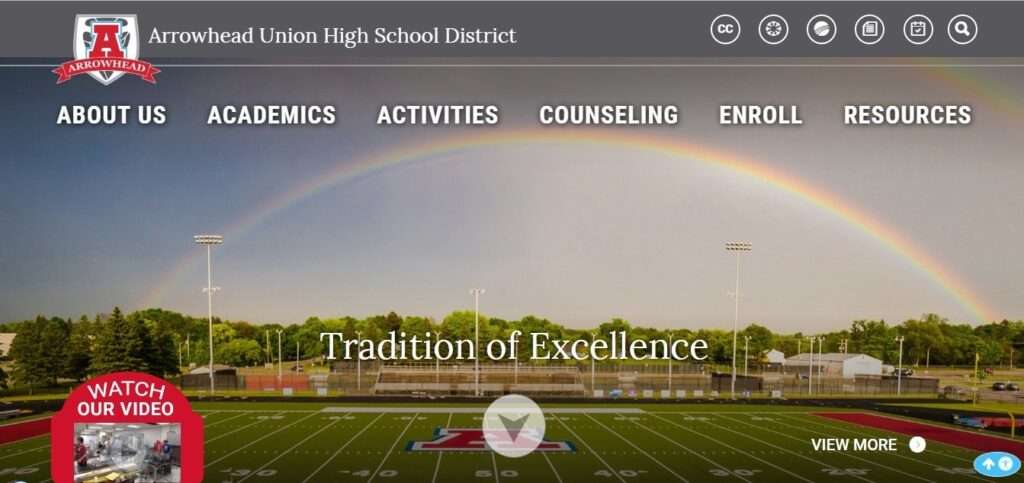
Current Trends in School Website Design
Kenya’s education sector is catching up fast with digital transformation. Trends like mobile-first design, integration with Google Classroom, e-learning platforms, and live chat support are making school websites more functional and interactive.
Benefits of a School Website
Enhancing Communication with Parents and Students
Gone are the days of sending letters home in a student’s backpack. With a school website, parents can get updates in real time—term dates, fee structures, school events, and even urgent alerts.
Increasing Visibility and Credibility
First impressions matter. A well-designed website helps your school stand out from the crowd. Whether you’re a private academy in Nairobi or a rural primary school, being online boosts your credibility big time.
Supporting E-learning and Digital Literacy
With a solid website, you can integrate e-learning platforms, upload study materials, or even run virtual classes. That’s a game-changer, especially in the post-pandemic world.
Key Features of a Great School Website
User-Friendly Navigation
If visitors can’t find what they’re looking for in a few clicks, they’ll bounce. Clear menus and a logical layout are a must.
Mobile Responsiveness
Most users in Kenya access websites via smartphones. A mobile-friendly design isn’t optional—it’s essential.
Online Admission and Registration Forms
Say goodbye to long queues. Allow parents to register their children from the comfort of their homes. Fast, easy, and efficient.
Events Calendar and News Section
Keep everyone in the loop. Upcoming sports days? Term dates? Exam schedules? Post them here.
Photo Gallery and Multimedia Integration
A picture is worth a thousand words. Show off your school’s facilities, events, and achievements with a vibrant photo and video gallery.
Staff and Teacher Profiles
Build trust by introducing your team. Let parents and students know who’s shaping the future.
The Web Design Process
Planning and Requirements Gathering
Before you jump in, define your goals. What do you want your website to do? What features are must-haves?
Choosing the Right Platform
Options include:
- WordPress – Great for easy updates.
- Joomla – Powerful but with a steeper learning curve.
- Custom Code – Fully flexible but more expensive.
Design and Development
This is where your vision comes to life—color schemes, layout, images, and branding elements all come together.
Testing and Launch
Before going live, test your website on different devices and browsers. Make sure everything works smoothly.
SEO for School Websites in Kenya
Local SEO Strategies
Use local keywords like “best primary school in Nairobi” or “high school in Mombasa.” Also, claim your Google Business Profile.
Optimizing for Google Search
Meta descriptions, alt tags, and keywords aren’t just technical jargon—they help your site show up on Google.
Content that Ranks
Create blog posts or updates about school activities, education tips, and community events. Fresh content keeps your site active and engaging.
Cost of School Website Design in Kenya
Budget vs Premium Options
You can get a simple school site for as low as Ksh 15,000, but a full-featured, premium site might go up to Ksh 100,000+. It all depends on your needs.
What to Expect in Terms of Pricing
Here’s a rough breakdown:
- Basic Site (1-5 pages): Ksh 15,000 – 30,000
- Medium (6-10 pages): Ksh 30,000 – 60,000
- Advanced (Custom features): Ksh 60,000 – 100,000+
Common Mistakes to Avoid
Poor Content Strategy
A beautiful design means nothing without solid, clear, and engaging content. Avoid outdated info and hard-to-read fonts.
Ignoring Mobile Optimization
If your site isn’t mobile-friendly, you’re losing half your audience—literally.
Lack of Updates and Maintenance
A website isn’t a “set it and forget it” tool. Regular updates keep your content fresh and your audience engaged.
Choosing the Right Web Designer in Kenya
What to Look for in a Service Provider
Check their portfolio, ask for references, and make sure they understand your school’s mission and values.
Questions to Ask Before Hiring
- How long will it take?
- Will the site be mobile-friendly?
- Who owns the domain and hosting?
- Do you offer training for staff?
Case Studies of Successful School Websites in Kenya
1. Makini School – Clean layout, easy navigation, strong content.
2. Riara Group of Schools – Integrated learning portal and student login.
3. Braeburn Schools – Engaging visuals, comprehensive event calendar.
These schools show what’s possible when you invest in a great website.
Conclusion
In today’s digital world, a school website is not just a luxury—it’s a necessity. Whether you’re a public school in rural Kenya or a private academy in Nairobi, your online presence matters. A functional, beautiful, and SEO-optimized website can transform how you connect with parents, students, and the community. So take that step—go digital, go global, go great!
FAQs
1. How long does it take to build a school website in Kenya?
Typically, 2–6 weeks depending on complexity and features.
2. Can a school website support e-learning?
Absolutely! You can integrate learning portals, video classes, and downloadable materials.
3. What are the best CMS platforms for school websites?
WordPress and Joomla are top choices due to ease of use and flexibility.
4. How often should a school website be updated?
At least once a month—more if you have regular events or news.
5. Is it necessary to hire a professional designer?
If you want a polished, functional, and secure site—yes. It’s a worthwhile investment.