Hospital website design in Kenya is becoming increasingly crucial as the healthcare industry evolves. A professional website not only builds trust but also enhances accessibility to healthcare services. Whether for private clinics or large hospitals, a well-designed digital platform is key to improving patient engagement and communication.
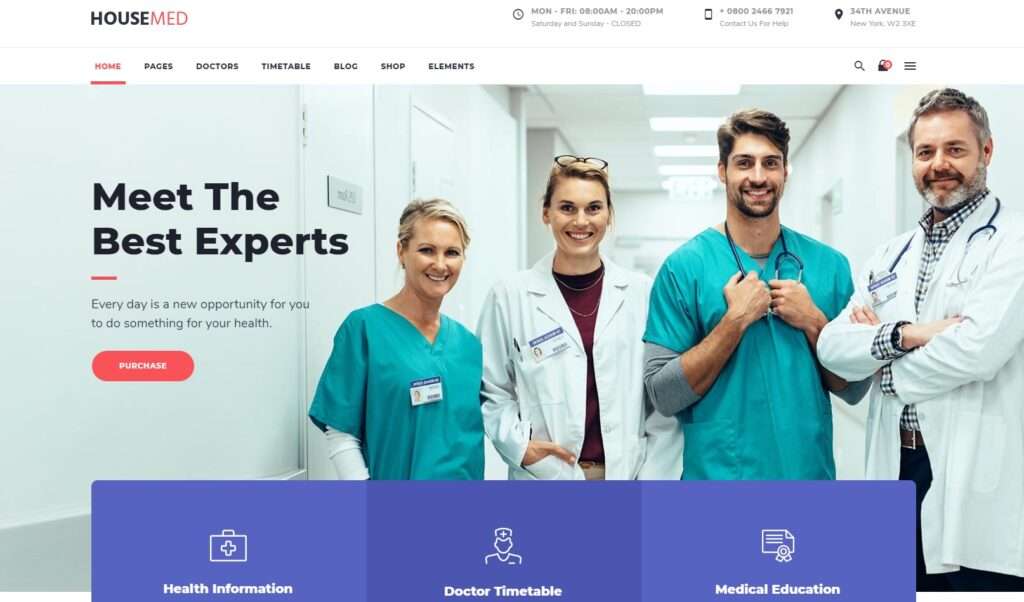
Why Hospitals and Clinics in Kenya Need a Website
In today’s digital age, most patients search for healthcare providers online before visiting. A website acts as your hospital’s digital front door. It provides patients with vital information, including services, doctors, and contact details.
Hospitals and clinics with websites gain:
- Increased visibility on Google and social media.
- Patient trust, as people associate websites with professionalism.
- Easier communication through online forms, chatbots, or WhatsApp integration.
- Better accessibility, especially for patients in remote areas.
Key Features of a Successful Hospital or Clinic Website
A medical website must combine design, functionality, and reliability. The most successful hospital websites in Kenya include:
- User-friendly design: Clear navigation and readable fonts.
- Responsive design: Works flawlessly on phones and tablets.
- Doctor profiles: Highlight qualifications and specializations.
- Appointment booking: Allow patients to schedule visits online.
- Patient testimonials: Build credibility and confidence.
- Secure data handling: Use SSL certificates and privacy features.
SEO and Digital Marketing for Medical Websites
Search Engine Optimization (SEO) helps your hospital rank higher on Google when people search for “best hospital in Nairobi” or “clinic near me.”
Effective SEO includes:
- Optimizing for local searches (Google Maps, Nairobi, Mombasa, Kisumu, etc.).
- Creating blog content about health tips and treatments.
- Linking with social media platforms for engagement and credibility.
Design Elements that Build Trust
Design is more than looks — it’s about creating comfort and credibility.
Professional hospital websites use:
- Blue and white color themes, symbolizing cleanliness and care.
- Minimalist layouts, avoiding clutter.
- High-quality medical imagery.
- Readable fonts and clear CTAs like “Book Appointment.”
A patient should feel safe and informed the moment they land on your homepage.
Mobile Optimization for Healthcare Websites
In Kenya, over 80% of internet users access the web via smartphones. If your site isn’t mobile-friendly, you’re losing patients.
A mobile-optimized website ensures:
- Quick loading time.
- Click-to-call buttons for instant contact.
- Simplified forms and readable text on small screens.
Mobile optimization directly improves user experience and conversions.
Integrating Technology and Functionality
Modern hospital websites go beyond static pages. They offer smart features that make healthcare accessible:
- Telemedicine systems for virtual consultations.
- Online payment gateways for convenience.
- Patient portals for reports and prescriptions.
- Chatbots for answering queries instantly.
These features not only enhance user experience but also save time and resources for hospital staff.
Content Strategy for Hospital Websites
Content builds trust and authority. Your hospital website should include:
- Health blogs offering medical tips and awareness.
- FAQs to answer common patient questions.
- Doctor interviews or staff bios for personal connection.
- News and updates on health camps or events.
Well-structured content improves SEO and keeps patients informed.
Compliance and Security in Medical Websites
Security is non-negotiable in healthcare web design. In Kenya, hospitals must comply with data protection regulations.
Best practices include:
- SSL encryption for all pages.
- Secure servers and regular backups.
- Password-protected patient areas.
- Confidential handling of medical records.
A secure site builds patient confidence and prevents data breaches.
The Role of Branding in Hospital Website Design in Kenya
Branding helps hospitals stand out. Use consistent colors, typography, and imagery across your website.
For example:
- A children’s hospital may use bright, friendly visuals.
- A surgical clinic may use clean and clinical tones.
Branding reflects your hospital’s values and professionalism.
Choosing the Right Web Design Company in Kenya
Selecting the right partner can make or break your project. Look for:
- Experience in healthcare website design.
- Strong portfolio of previous medical projects.
- Post-launch support and regular maintenance.
A good agency will also handle SEO, hosting, and content management for you.
Case Study: Best Hospital Websites in Kenya
Examples of top hospital websites in Kenya include:
- Aga Khan University Hospital – Clean design and patient portal integration.
- Nairobi Hospital – User-friendly and informative.
- Mater Hospital – Clear navigation and online booking.
These sites excel in structure, functionality, and trust-building.
Cost of Hospital Website Design in Kenya
Website design costs vary based on complexity and features.
Typical prices include:
- Basic clinic site: KES 40,000 – 70,000
- Medium hospital site: KES 80,000 – 150,000
- Advanced telemedicine site: KES 200,000+
Costs depend on design level, SEO, and integrations like online booking and payment systems.
How Codestream Technologies Can Help
At Codestream Technologies, we specialize in building professional hospital and clinic websites across Kenya.
Our services include:
- Custom website design and development
- SEO and digital marketing
- Hosting and domain registration
- Maintenance and support
We’re recognized as Kenya’s best hospital website design company, delivering clean, responsive, and conversion-focused medical websites that help you attract and retain patients.
Conclusion
A professional hospital or clinic website isn’t just a digital accessory — it’s a necessity in today’s healthcare landscape. It builds trust, simplifies patient interaction, and enhances your reputation. Whether you’re a small clinic or a major hospital, investing in quality web design ensures you stay competitive in Kenya’s fast-growing healthcare sector.
FAQs
1. What is the average cost of a hospital website in Kenya?
It typically ranges from KES 40,000 to 200,000, depending on the features and complexity.
2. How long does it take to design a medical website?
On average, 2–6 weeks, depending on content readiness and design requirements.
3. What features should every hospital website have?
Online booking, doctor profiles, mobile responsiveness, and secure data handling are essential.
4. Is online booking safe for patients?
Yes. With SSL encryption and secure servers, patient data remains protected.
5. Why should I hire a professional web design agency?
Professionals like Codestream Technologies ensure your website is SEO-optimized, fast, and fully compliant with medical standards.